High EQ Meaning: Signs, Examples, and How It Compares With IQ
High EQ means a person tends to notice emotions, understand what those emotions are signaling, and respond in ways that support clear thinking and healthier relationships. It is not the same as being endlessly agreeable, perfectly calm, or naturally good at every conversation. A person with high emotional intelligence is likely to combine self-awareness, empathy, self-management, and relationship skills in everyday moments. If you are exploring your own emotional patterns, a free empathy and emotional awareness test can offer a structured starting point for reflection. This guide explains high EQ meaning, common signs, how high EQ and IQ work together, and what to do if you want to develop stronger emotional intelligence skills.

What Does High EQ Mean?
EQ stands for emotional quotient, a common shorthand for emotional intelligence. In practical terms, high EQ describes the ability to recognize your own feelings, understand other people's emotional cues, regulate reactions, and communicate with care. It is less about having the "right" feeling and more about using emotional information wisely.
Someone with high EQ may still feel anger, worry, envy, disappointment, or confusion. The difference is that they are more likely to pause, name what is happening, and choose a response that fits the situation. They can often separate a feeling from a fact, which helps them avoid turning one difficult moment into a lasting conflict.
High EQ also includes empathy, but empathy is only one part of the picture. A highly empathetic person may sense another person's distress, while high emotional intelligence helps them decide how to respond without overstepping, rescuing, or losing their own boundaries. That balance matters in friendships, romantic relationships, families, leadership, care work, and any role that depends on trust.
High EQ vs High IQ: What Is the Difference?
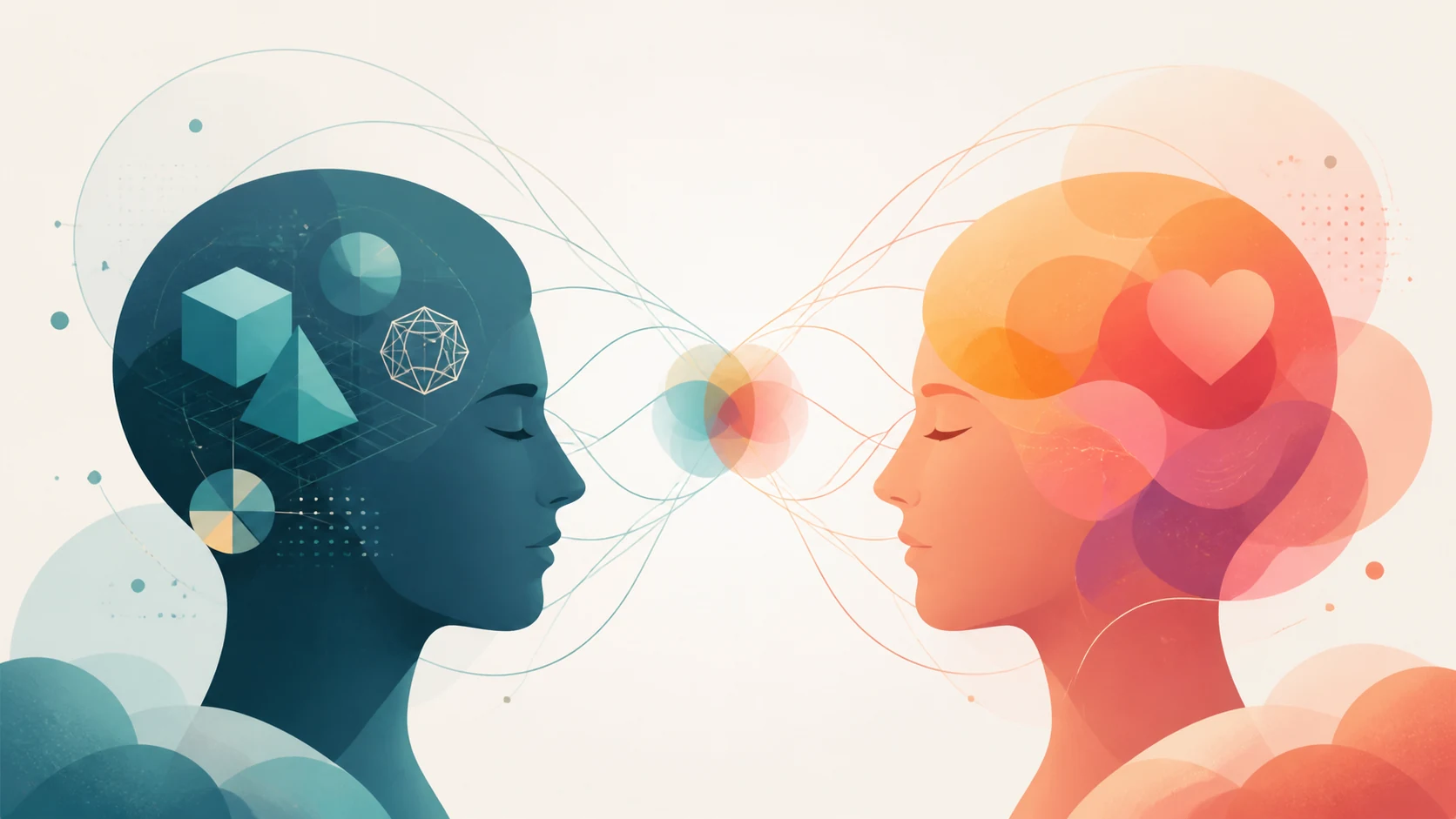
High IQ usually refers to strong reasoning, learning, pattern recognition, memory, or problem-solving ability. High EQ refers to the emotional and social skills that help a person work with feelings, relationships, pressure, and conflict. They are different strengths, and neither one automatically proves the other.
A person can have high IQ and low EQ. For example, they might solve technical problems quickly but struggle to notice when a teammate feels dismissed. Another person may have average formal reasoning scores but strong high EQ skills: they listen closely, sense tension early, calm themselves under pressure, and help a group move toward a better decision.
The strongest results often come when high EQ and IQ support each other. IQ can help you analyze options, while EQ helps you understand the people affected by those options. At work, that combination can improve leadership, feedback, negotiation, customer support, teaching, healthcare communication, and team decision-making. In personal life, it can help someone repair misunderstandings before they harden into distance.
If you want a structured self-reflection point rather than a label, an online tool that gives a structured empathy score can help you compare your everyday impressions with a consistent set of questions. Use the result as a prompt for noticing patterns, not as a fixed verdict about your personality.
Signs of High EQ in Everyday Life
High EQ often shows up in ordinary moments. You may notice it most clearly when plans change, feedback is uncomfortable, or a conversation becomes emotionally loaded.
One sign is emotional self-awareness. A person with high EQ can usually say more than "I'm fine" or "I'm mad." They may recognize that irritation is partly stress, that silence is partly embarrassment, or that defensiveness is covering fear of being misunderstood. This naming process makes emotions easier to work with.
Another sign is self-management. High EQ does not mean never reacting. It means the person can slow the reaction enough to choose a better next step. They may ask for a pause, lower their voice, take responsibility for a sharp comment, or return to the issue when they can think clearly.
Empathy is also central. People with high EQ tend to notice facial expressions, tone, timing, and context. They do not assume they know everything another person feels, but they are curious enough to check. Instead of saying, "You're overreacting," they might ask, "Did that feel frustrating because you were not heard?"
High EQ also appears as repair. Emotionally intelligent people are often willing to apologize, clarify intent, and revisit a conversation after conflict. They can admit a mistake without turning the apology into self-punishment or blame shifting.
Finally, high EQ includes flexible boundaries. A person can care about someone else's feelings and still say no, ask for time, or name what they need. That is one reason high EQ is not the same as people-pleasing.
Signs of High EQ and Low EQ Side by Side
It can be easier to understand high EQ when you compare patterns. Low EQ does not make someone bad, and it does not mean they cannot grow. It simply points to emotional skills that may be underused, overwhelmed, or still developing.
High EQ often looks like curiosity during conflict. Low EQ may look like instant defensiveness or the need to win. High EQ looks like noticing that a friend's quietness might mean something. Low EQ may look like missing the cue or assuming silence is personal rejection. High EQ looks like using feedback to adjust. Low EQ may look like treating feedback as an attack.
In relationships, high EQ supports listening, repair, and respectful honesty. Low EQ may show up as interrupting, avoiding hard talks, minimizing emotions, or using sarcasm when vulnerability would be more useful. In work settings, high EQ can support leadership, collaboration, mentoring, and calm problem solving. Lower EQ patterns may create unnecessary tension even when the person's ideas are strong.
The useful question is not "Am I high EQ or low EQ forever?" A better question is "Which emotional intelligence skill would make the biggest difference in my next conversation?" That framing keeps the topic practical and less judgmental.

What Type of People Tend to Have High EQ?
People with high EQ can come from any personality type. They are not always extroverts, helpers, therapists, managers, or naturally warm communicators. Some are quiet observers. Some are direct but considerate. Some have built emotional intelligence through difficult experiences, good mentoring, reflective practice, or years of repairing relationship patterns.
High EQ jobs and roles often involve reading people accurately while staying composed: teaching, coaching, management, human resources, client services, healthcare support, conflict resolution, sales, community work, and creative collaboration. Yet emotional intelligence is not only a career skill. Parents use it when they help a child name a feeling. Partners use it when they stay honest without becoming cruel. Friends use it when they notice when support is welcome and when advice would feel intrusive.
High EQ can also be valuable for people who are intellectually intense or highly analytical. If you naturally think in systems, EQ can help you remember that people are not only problems to solve. If you naturally feel deeply, EQ can help you stay grounded enough to respond instead of absorbing everyone else's mood.
Can You Improve EQ?
Yes, emotional intelligence skills can be practiced. Some people may find certain parts easier than others, but self-awareness, emotional regulation, empathy, and relationship repair can all become more deliberate.
Start with naming emotions more precisely. Instead of "bad," try disappointed, ashamed, tense, lonely, overstimulated, resentful, or uncertain. The more specific the label, the easier it becomes to choose a response.
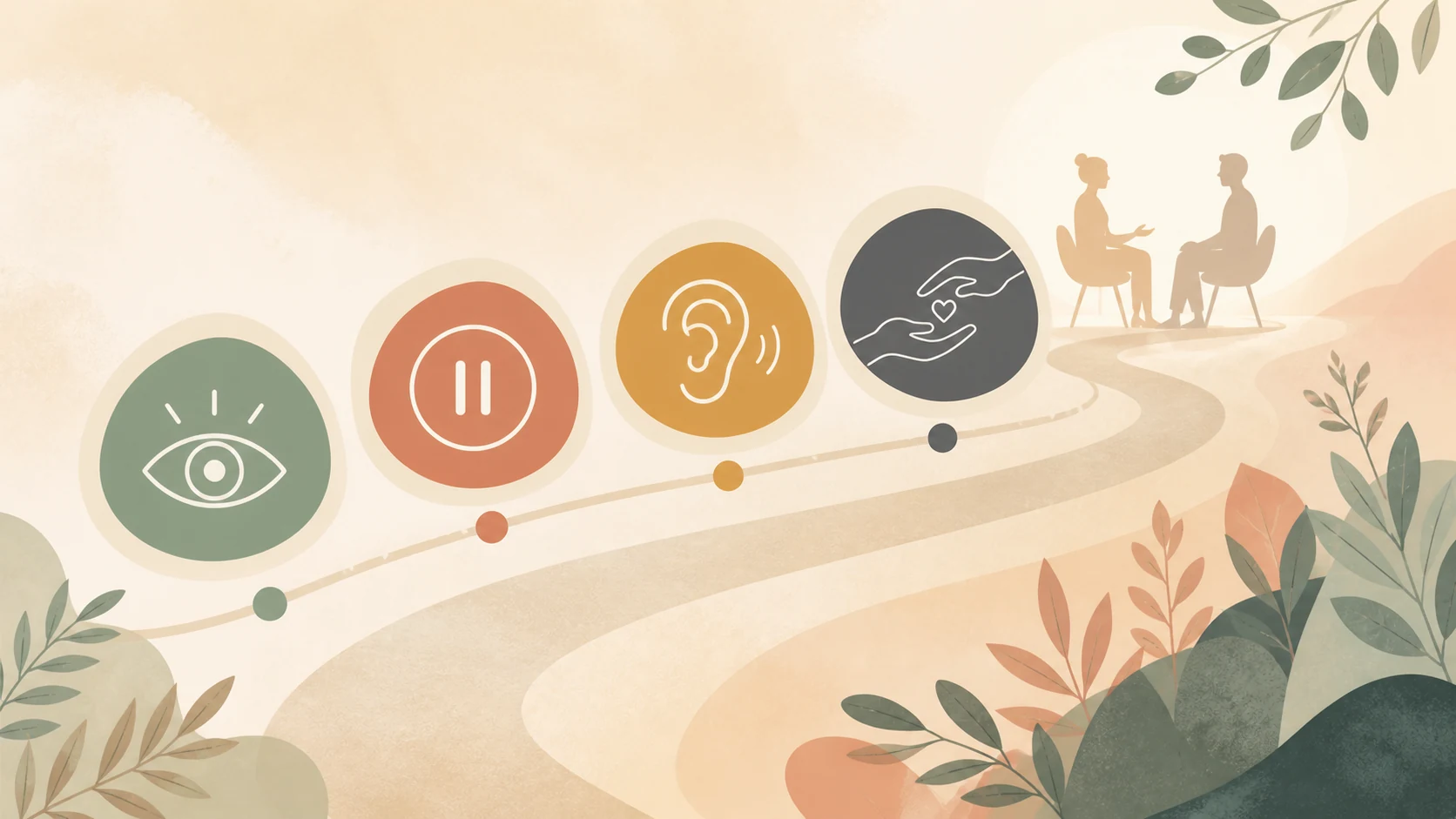
Next, practice a pause before high-stakes replies. You might take three slow breaths, write a draft you do not send, or say, "I want to answer carefully, so I need a minute." The pause creates space between feeling and behavior.
Then, strengthen perspective-taking. Ask yourself what else could be true before deciding you understand someone's motive. A delayed reply might mean disinterest, but it might also mean overload, family stress, or simple forgetfulness.
Finally, build repair habits. A useful repair sounds specific: "I interrupted you earlier. I see why that felt dismissive, and I want to hear the rest." Repair is often where high EQ becomes visible because it shows humility, empathy, and responsibility at the same time.
Use High EQ as a Reflection Cue
High EQ is best understood as a set of learnable emotional intelligence skills, not a status badge. It can help you notice feelings sooner, listen with more accuracy, handle tension with less damage, and make relationships feel safer without giving up your own boundaries.
If you are curious about your current empathy and social awareness patterns, you can explore an educational empathy test and use the result as a conversation starter with yourself. Online scores are most helpful when they lead to reflection, better questions, and small behavior changes. If emotional struggles are affecting your safety, daily functioning, or relationships in serious ways, consider speaking with a qualified professional for personal guidance.
FAQ
What does it mean when EQ is high?
When EQ is high, a person usually has stronger emotional awareness, self-management, empathy, and relationship skills. They can notice what they feel, consider what others may feel, and choose responses that fit the situation. High EQ does not mean perfect calm or constant kindness; it means emotions are used as useful information rather than ignored or acted out automatically.
Do high IQ people have high EQ?
Not always. High IQ and high EQ are different forms of ability. Someone can be excellent at analysis and still struggle with emotional cues, feedback, or conflict. Someone else may not see themselves as highly intellectual but may be skilled at listening, calming tension, and understanding social dynamics. Many people benefit most when reasoning skills and emotional intelligence develop together.
How do you know if someone has high EQ?
Look for patterns over time. People with high EQ tend to name emotions clearly, listen without rushing to judgment, manage frustration, notice social cues, respect boundaries, and repair when they cause harm. One impressive conversation is not enough evidence. Consistent behavior during stress, feedback, and disagreement is usually more revealing.
What type of people have high EQ?
High EQ can appear in many personality types. Some emotionally intelligent people are outgoing and expressive, while others are quiet and observant. What they often share is a willingness to reflect, listen, adjust, and take responsibility. High EQ is less about a fixed type and more about how someone handles emotion in real situations.
Is high EQ more important than high IQ?
It depends on the situation. IQ can support learning, analysis, and complex problem solving. EQ can support communication, trust, leadership, and emotional regulation. In many real-life settings, the two work best together because decisions usually involve both information and people.
Can a high EQ test tell me my exact emotional intelligence?
An online EQ or empathy test can help you reflect on patterns, but it should not be treated as an exact measurement of your whole personality. Mood, context, honesty, question design, and life experience can all affect responses. Use any score as a starting point for self-awareness rather than a final label.