Understanding Low Empathy: Causes, Traits, & The Empathy Test
Have you ever wondered why some people struggle to understand or share the feelings of others? The concept of low empathy can feel isolating and is often misunderstood. It’s not always about being cold or uncaring; the reasons behind it are complex, rooted in biology, personal history, and psychology. So, how do I tell if I lack empathy? This question is a powerful starting point for self-awareness.
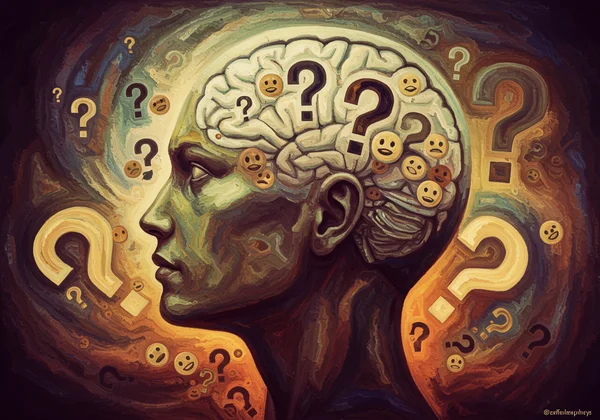
This article will guide you through the various factors that can contribute to lower levels of empathy. We'll explore everything from personality traits to psychological conditions, not to label, but to understand. Understanding the potential causes is the first step toward growth and deeper connection. If you're ready to explore your own emotional landscape, a great place to start is with a structured self-reflection tool. You can start your free empathy test to gain personal insights.
What Blocks Empathy? Exploring the Core Influences
Empathy isn't a simple on/off switch. It’s a sophisticated emotional and cognitive skill that can be influenced by many factors. Some of these influences are deeply ingrained, stemming from our very biology and foundational life experiences. Understanding these core blocks is essential before looking at specific traits or conditions.
The Role of Brain & Biology in Empathy Development
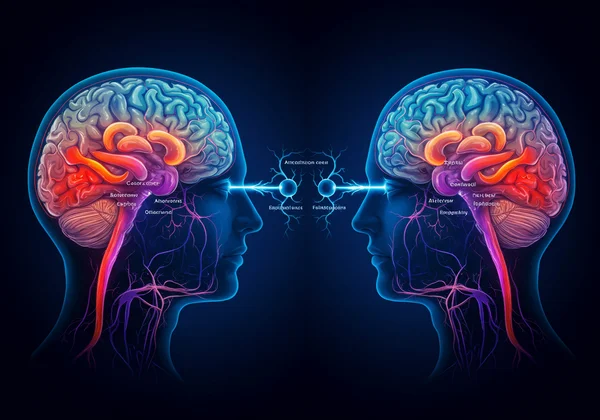
Our capacity for empathy is hardwired into our brains. Neuroscientists have identified specific areas, like the anterior cingulate cortex and anterior insula, that activate when we feel our own pain and observe the pain of others. The famous "mirror neurons" are thought to play a key role, firing in our brains as if we were performing an action or feeling an emotion we're simply observing in someone else. Biological factors, genetic predispositions, and neurological differences can all affect how efficiently these empathy circuits function, creating a unique baseline for each individual.
How Early Experiences Shape Our Capacity for Empathy
Our upbringing and early relationships are powerful sculptors of our empathetic abilities. Secure attachment to caregivers, where emotions are acknowledged and validated, provides a safe environment for a child to learn empathy. Conversely, childhood trauma, neglect, or environments where emotional expression was discouraged can hinder this development. When a child's own emotional needs aren't met, it becomes incredibly difficult for them to learn how to recognize and respond to the needs of others later in life.
Personality Traits Linked to Low Empathy
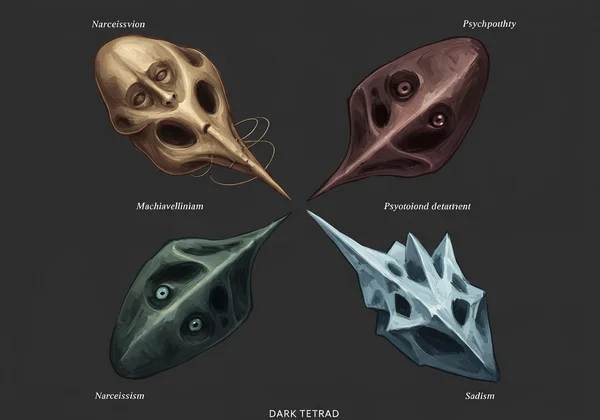
While biology and upbringing lay the foundation, certain personality structures are characterized by significantly lower empathy. These traits are often discussed under the umbrella of the "Dark Tetrad," which includes narcissism, Machiavellianism, psychopathy, and sadism. It's important to view these as spectrums of behavior rather than simple labels.
Narcissism: Empathy's Self-Centered Counterpart
Individuals with strong narcissistic traits often have a diminished capacity for empathy because their focus is overwhelmingly directed inward. Their primary concern is maintaining their grandiose self-image, seeking admiration, and satisfying their own needs. This self-absorption leaves little room to genuinely consider or connect with the emotional states of others, unless doing so serves their own interests. They may struggle particularly with affective empathy (feeling what others feel) but can sometimes use cognitive empathy (understanding what others feel) to manipulate situations to their advantage.
Machiavellianism: Strategic Calculation Over Connection
Machiavellianism is defined by a cynical, manipulative, and strategic approach to life. People high in this trait view others as pawns in their own game of power and success. They prioritize goals over people and are willing to exploit relationships to get what they want. For them, empathy is not a tool for connection but a potential weakness to be suppressed. Their emotional detachment allows them to make calculated decisions without being swayed by the feelings of those they might harm along the way.
Psychopathy & Sociopathy: The Spectrum of Antisocial Empathy
Psychopathy and sociopathy are terms often associated with a profound lack of empathy, particularly the emotional component. Individuals with these traits, which fall under Antisocial Personality Disorder, often show a complete disregard for the rights and feelings of others. They may understand social and emotional cues on an intellectual level (cognitive empathy) but lack the corresponding emotional response. This deficit is often accompanied by a lack of remorse, impulsivity, and a tendency toward deceitfulness. Exploring these traits can be complex, and a good first step is to understand your empathy profile.
Sadism: Finding Pleasure in Others' Distress
The fourth trait of the Dark Tetrad is sadism, which involves deriving pleasure or gratification from the suffering of others. This is perhaps the most direct opposition to empathy. While empathy involves sharing or being moved by another's pain, sadism involves enjoying it. This can manifest in overt cruelty or more subtly through actions like spreading malicious gossip or cyberbullying. It represents a fundamental inversion of the prosocial impulse that empathy typically inspires.
Mental Health Conditions & Empathy Deficits
It is crucial to distinguish personality traits from diagnosed mental health conditions. Several conditions can impact how a person experiences and expresses empathy. If you have concerns about your mental health, please consult a qualified professional. An online tool is for self-reflection and is not a substitute for a professional diagnosis.
Autism Spectrum Disorder: A Different Way of Processing Empathy
There is a common but harmful misconception that autistic individuals lack empathy. In reality, they often experience empathy differently. Many autistic people report feeling immense affective empathy—sometimes to an overwhelming degree. Their challenge often lies in cognitive empathy: interpreting non-verbal cues, understanding social nuances, or predicting how someone might feel in a given situation. It's not an absence of empathy, but a different neurological processing style that can make it harder to express it in neurotypical ways.
Borderline Personality Disorder: Intense Emotions and Empathy Challenges
Borderline Personality Disorder (BPD) is characterized by intense emotional dysregulation and unstable relationships. While individuals with BPD can feel empathy, their own powerful emotional storms can sometimes overshadow their ability to accurately perceive the feelings of others. Their fear of abandonment can lead them to misinterpret social cues, and their emotional state can fluctuate so rapidly that maintaining a stable empathetic connection becomes difficult.
Other Conditions: Depression, Anxiety, and Situational Empathy Blocks
You don't need a personality disorder to experience a dip in empathy. Conditions like major depression and severe anxiety can consume a person's emotional and cognitive resources. When you are struggling just to get through the day, there is little energy left to extend to others. Burnout and chronic stress can have the same effect, creating a temporary but very real "empathy block." If you're curious about where you stand, you can check your empathy level with a simple online quiz.
Navigating Your Own Empathy: Self-Reflection & Growth
Understanding the potential roots of low empathy is the starting point for personal insight. The goal isn't to find a label to stick on yourself or others, but to foster self-awareness and identify areas for potential growth.
Is It a Lack of Empathy or Something Else?
Before concluding you have low empathy, consider other possibilities. Could it be empathy fatigue from a demanding job? Are you simply an introvert who processes social information differently? Are you in a period of high stress or depression? Differentiating between a persistent trait and a temporary state is a key part of self-reflection.
Understanding Cognitive vs. Affective Empathy in Yourself
Recognizing the two main types of empathy is empowering. Cognitive empathy is the ability to logically understand someone's perspective ("I get what you're feeling"). Affective empathy is the ability to share their emotional experience ("I feel what you're feeling"). Some people are strong in one and weaker in the other. Knowing your personal balance can help you understand your relational style.
To delve deeper into these nuances, explore our article on Cognitive vs. Emotional Empathy: What's the Difference and Why It Matters. You might also find valuable insights in our guide to 10 Actionable Ways to Build Your Empathy Muscle Starting Today.
Are you ready to see your profile? Why not take our empathy quiz and find out?
Your Empathy Journey: Insights & Next Steps
The causes of low empathy are multifaceted, spanning from our brain's wiring and early life lessons to specific personality traits and mental health conditions. It is rarely a simple choice to be unempathetic. For most, it is a complex result of their unique life story.
Understanding these factors removes judgment and opens the door to curiosity and growth. Self-awareness is the most powerful tool you have. By exploring your own patterns of thought and feeling, you can begin a journey of intentional development. Ready to take that first step? Discover Your Empathy Score and gain valuable insights into your unique emotional world.
Common Questions About Empathy & Its Absence
What causes a lack of empathy?
A lack of empathy isn't caused by a single thing. It can result from a combination of factors, including neurological differences in brain regions responsible for empathy, difficult childhood experiences like trauma or neglect, personality traits such as narcissism or psychopathy, and certain mental health conditions like BPD or severe depression.
How do I tell if I lack empathy?
Common signs may include difficulty understanding other people's perspectives, feeling emotionally disconnected from others' joy or pain, finding it hard to predict how your actions will affect people, or being told you come across as insensitive. A structured self-assessment can provide a clearer picture. To get started, you can try our free test on our homepage.
Can a person without empathy truly love?
This is a complex question. Love can manifest in many ways. A person with very low affective empathy might struggle to share a partner's feelings, but they may still demonstrate love through commitment, loyalty, and acts of service. Their expression of love might be more cognitive and action-based rather than emotionally resonant.
What mental illness causes lack of empathy?
No mental illness universally "causes" a complete lack of empathy, but several are associated with significant empathy challenges. These include Antisocial Personality Disorder (psychopathy/sociopathy), Narcissistic Personality Disorder, and Borderline Personality Disorder. It's vital to remember that these are clinical diagnoses that can only be made by a mental health professional.