What Blocks Empathy? 8 Common Barriers & How to Overcome Them with Our Free Test
Feeling misunderstood or struggling to connect? Conversations stall. You can't read a friend's mood. This disconnect hits many of us. Hidden barriers often block our empathy.
Empathy isn't just about being "nice." It's the skill of understanding and sharing the feelings of another person. When it flows freely, it builds strong relationships, fosters collaboration, and makes us feel truly connected. But when it’s blocked, it can lead to loneliness and misunderstanding. The good news is that empathy is a skill that can be developed.
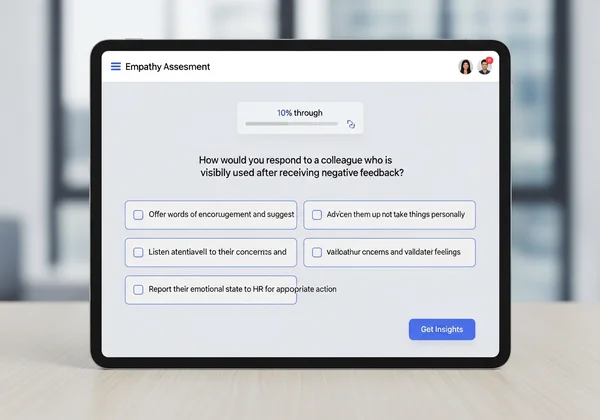
The first step to building this skill is understanding what gets in the way. Before you can build bridges, you need to clear away the barriers. A great starting point is to understand your own empathetic profile. Take our free online empathy test to baseline your score and get personal insights.
This guide will walk you through eight common barriers that block empathy and offer practical strategies to start overcoming them today.
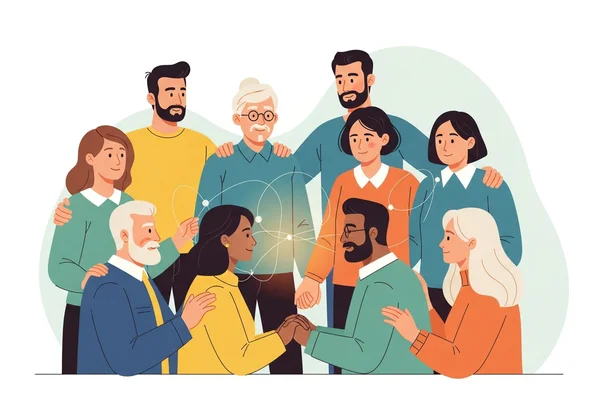
Understanding Common Barriers to Empathy
Many empathy blockers are subtle and operate without our conscious awareness. They are often rooted in how our brains are wired or the daily pressures we face. Identifying these internal barriers is the first crucial step toward fostering deeper connections.
Cognitive Biases: How Our Brains Hinder Understanding
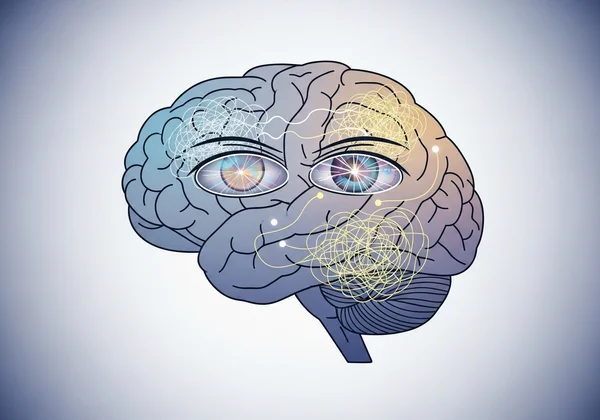
Our brains use mental shortcuts, known as cognitive biases, to make quick judgments. While efficient, these shortcuts can seriously distort our perception of others and become major barriers to empathy.
-
Confirmation Bias: This is the tendency to seek out and favor information that confirms our existing beliefs. Think a coworker is lazy? You spot their coffee breaks but miss their late nights. This blinds you to their full story.
-
Fundamental Attribution Error: This is our tendency to attribute other people's actions to their character while attributing our own actions to external circumstances. For example, if someone cuts you off in traffic, you might think, "What a jerk!" But if you do the same, you might say, "I'm late for an important meeting." This bias stops us from giving others the benefit of the doubt that we so easily give ourselves.
The Impact of Stress & Burnout on Empathetic Capacity
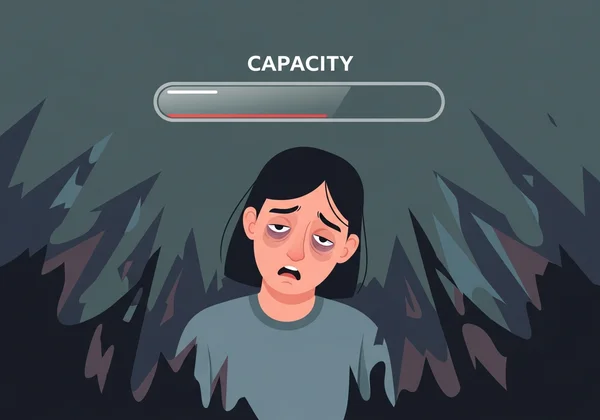
Your emotional state has a direct impact on your ability to connect with others. When you're overwhelmed, your capacity for empathy shrinks dramatically.
-
Chronic Stress: Constant stress triggers fight-or-flight. Your brain fixates on threats. No energy remains for others' feelings. As a busy professional, you know this feeling well. Your world narrows to just getting through the day.
-
Emotional Burnout: Burnout is a state of emotional, physical, and mental exhaustion. It drains your emotional reserves, leaving you feeling cynical and detached. When you have nothing left to give, extending empathy to others feels impossible. It’s like trying to pour from an empty cup.
Psychological & Environmental Empathy Blockers
Beyond our immediate mental state, deeper psychological patterns and the environment we live in play a significant role. These empathy blockers can be ingrained habits or societal pressures that shape how we interact with the world.
Self-Centeredness vs. Other-Oriented Perspective
At its core, empathy requires shifting your focus from "me" to "we" or "them." When our internal world is too loud, we can't hear anyone else's.
-
An Inward Focus: While self-awareness is healthy, excessive self-centeredness is a powerful empathy blocker. If your thoughts are consumed by your own worries, goals, and insecurities, you have no room to genuinely consider another person's experience. This isn't necessarily narcissism; it can simply be a habit of seeing the world only through your own lens.
-
Past Trauma or Hurt: Negative past experiences can cause us to build emotional walls to protect ourselves. If you've been hurt before, your instinct may be to shut down emotionally to avoid vulnerability. This self-preservation mechanism, while understandable, can prevent you from connecting with others on an empathetic level.
The Role of Social & Cultural Influences
We don't exist in a vacuum. The groups we belong to and the culture we live in set unwritten rules about emotions and connection.
-
Social Conditioning: From a young age, we are taught how to behave in social groups. Sometimes, this includes suppressing empathy to fit in. For example, in a highly competitive workplace, showing empathy might be seen as a weakness. Groupthink can also lead us to adopt the prejudices of our peers, preventing us from empathizing with those outside our circle.
-
Cultural Norms: Some cultures prize stoicism. Others welcome emotions. If yours stifles feelings talk, spotting others' emotions gets tough.
Understanding these internal and external forces is key. To see how they might influence your own responses, you can take our empathy test and get a personalized analysis.
Practical Strategies to Overcome Lack of Empathy
Recognizing the barriers is half the battle. The other half is taking active steps to dismantle them. Empathy is like a muscle—the more you exercise it, the stronger it becomes. Taking an empathy test can help you identify which of these barriers is your biggest hurdle. Here are four actionable strategies to help you overcome a lack of empathy.
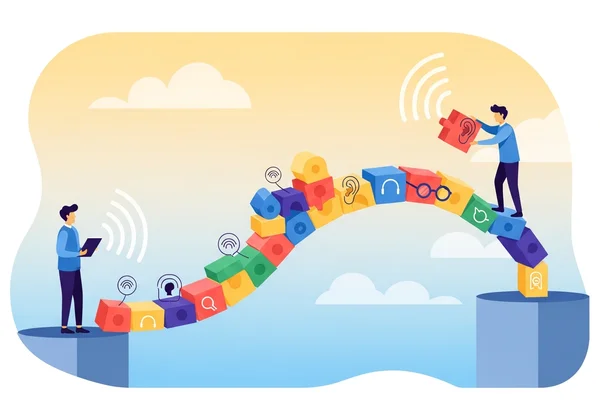
Cultivating Active Listening & Mindful Observation
True empathy begins with paying attention. Active listening is more than just hearing words; it's about understanding the meaning and emotion behind them.
- Listen to Understand, Not to Reply: Next time you're in a conversation, resist the urge to formulate your response while the other person is speaking. Focus completely on their words, tone, and body language.
- Ask Open-Ended Questions: Instead of "yes" or "no" questions, ask things like, "How did that make you feel?" or "What was that experience like for you?" This invites deeper sharing.
- Observe Without Judgment: Pay attention to non-verbal cues. Does their expression match their words? Practice observing people in a public place and imagine what their day might be like.
Perspective-Taking Exercises & Role-Playing
Actively trying to see the world from another's viewpoint is a powerful empathy-building exercise.
- "A Day in Their Shoes": Choose someone in your life you'd like to understand better. Spend 10 minutes imagining their day from start to finish. What challenges do they face? What brings them joy?
- Read Fiction: Reading literary fiction has been scientifically shown to improve empathy. When you immerse yourself in a character's thoughts and feelings, you are practicing perspective-taking.
Building Emotional Regulation & Resilience
You cannot manage another person's emotions if you are overwhelmed by your own. Emotional regulation is the foundation of empathy.
- Name Your Feelings: Practice identifying and naming your own emotions throughout the day. Simply acknowledging "I feel frustrated" can reduce its intensity.
- Practice Mindfulness: Techniques like meditation can help you become more aware of your emotional state without being controlled by it. This creates the mental space needed to consider others.
Seeking Diverse Experiences & Connections
Our empathy is often limited to people who are like us. Expanding your world is one of the most effective ways to expand your empathy.
- Break Your Routine: Talk to people outside your usual social circle. Travel to new places (even within your own city). Try food from a different culture.
- Consume Different Media: Watch documentaries, read articles, or listen to podcasts that feature perspectives vastly different from your own. This challenges your biases and broadens your understanding of the human experience.
Unlocking Deeper Connections: Your Path to Enhanced Empathy
The journey to greater empathy is a journey toward deeper, more meaningful connections with everyone around you. By recognizing the barriers—from cognitive biases and stress to social conditioning—you've already taken the most important step. Remember, these blockers don't define you. They are simply patterns that can be changed.
Empathy is not a fixed trait you either have or don't. It is a skill that can be nurtured and strengthened with conscious effort. By practicing active listening, challenging your perspectives, and managing your own emotions, you can systematically dismantle these barriers and open yourself up to a richer, more connected life.
Want to map your empathy style? Our quick test gives you the score and next steps. Take our comprehensive Empathy Test to get your personalized score and actionable insights to guide your growth.
Your Questions About Empathy Blockers Answered
How do I know if I'm empathetic or lack empathy?
Signs of strong empathy include being a good listener, easily sensing how others are feeling, and being asked for advice often. Signs you may lack empathy include difficulty understanding others' perspectives, getting impatient with emotional people, or finding it hard to form deep relationships. However, these are just general indicators. The clearest way to understand your baseline is to take a structured assessment. Our free empathy test provides a detailed score based on principles from psychology.
What is the root cause of a lack of empathy?
There is no single root cause. It's often a complex mix of factors discussed in this article, including upbringing, past trauma, chronic stress, ingrained cognitive habits, and even cultural background. For some, it may be a temporary state caused by burnout, while for others, it may be a more persistent pattern. Our empathy quotient test can help reveal if these biases are affecting you. Identifying your personal barriers is the key to addressing the root cause effectively.
Can a person without empathy love?
This is a complex question. A person can feel attachment, affection, and loyalty without having strong cognitive or emotional empathy. They can care for someone and act in loving ways. However, a relationship lacking empathy may struggle with true emotional intimacy and mutual understanding, as one partner may not be able to fully grasp or share the other's inner world.
What mental illness causes a lack of empathy?
It's crucial to understand that low empathy is a trait, not a diagnosis. While it can be a feature of certain conditions like Narcissistic Personality Disorder (NPD) and Antisocial Personality Disorder (ASPD), most people with low empathy do not have a personality disorder. It's important not to self-diagnose. Please note: The test on this website is an informational tool for self-reflection, not a substitute for professional medical advice. If you have serious concerns about your mental health, please consult a qualified therapist or psychologist.